From Early Art Studios to Modern Creative Life
Paint by numbers often feels familiar to people.
Many customers tell us they remember it being popular years ago — maybe something they tried as a child, or saw hanging in a family home.
That sense of familiarity isn’t accidental.
Paint by numbers isn’t a modern invention or a passing trend. It’s part of a much longer creative tradition — one that has quietly adapted to changing times, while always serving the same purpose: making art accessible, structured, and enjoyable.
A Long Tradition of Guided Creativity
Long before paint by numbers became a household hobby, artists relied on structured methods to learn and teach painting.
In historical art studios, particularly during the Renaissance, masters such as Leonardo da Vinci used sketches, grids, and carefully planned compositions to guide apprentices through complex artworks. These approaches helped students understand proportion, shading, and colour placement step by step — long before they were expected to paint freely.
The goal wasn’t to limit creativity.
It was to reduce overwhelm and build confidence.
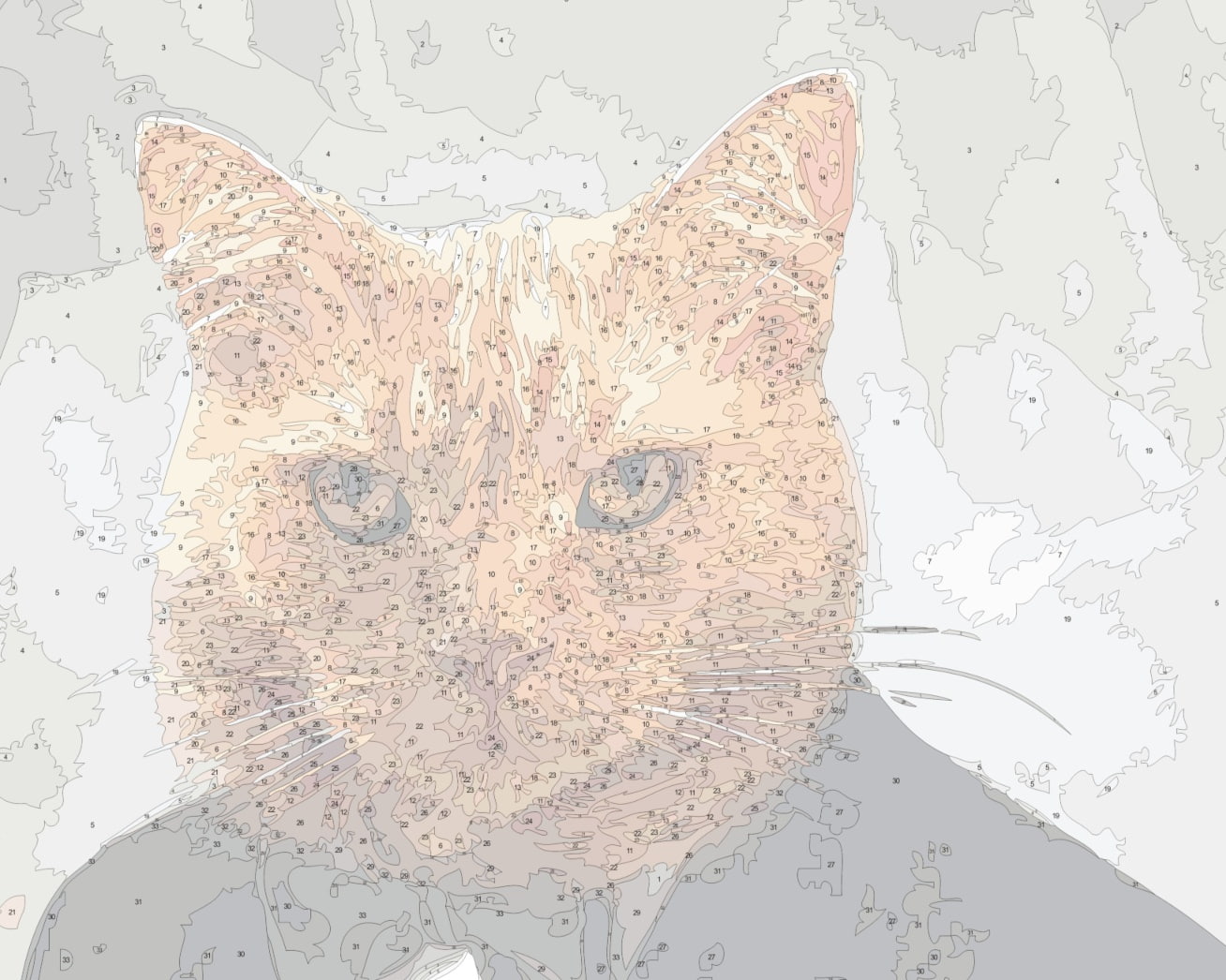
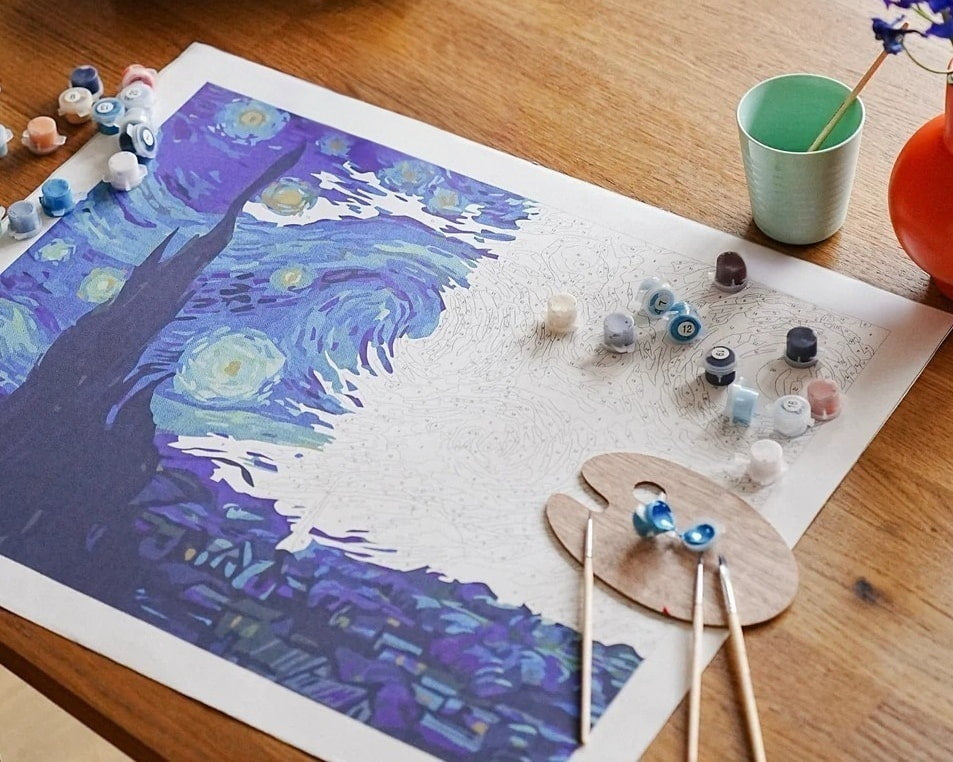
Paint by numbers follows this same principle. By breaking a complex image into manageable sections, it allows painters to focus on one small part at a time, rather than facing a blank canvas filled with uncertainty.
When Paint by Numbers Entered Everyday Homes
Paint by numbers as we recognise it today became widely popular in the mid-20th century, when structured painting was introduced as a commercial art kit.
For the first time, painting became something everyday people could enjoy at home — no formal training required. Families gathered around kitchen tables, brushes in hand, slowly filling in colour after colour.

Its appeal was simple:
- You didn’t need to be “good at art”
- You didn’t need to make creative decisions
- You could simply follow the structure and enjoy the process
For many, the joy wasn’t just in the finished artwork, but in the calm focus that came from doing one thing slowly.
Criticism, Culture, and Why It Never Disappeared
As paint by numbers grew in popularity, it also attracted criticism. Some in the traditional art world dismissed it as mechanical or unoriginal, arguing that true creativity required freedom rather than structure.
But public response told a different story.
Paint by numbers wasn’t trying to replace free painting — it was offering an alternative. A way to create without pressure, comparison, or fear of failure.
Over time, its visibility shifted. It wasn’t always in the spotlight, but it never truly disappeared. It remained quietly present in homes, classrooms, and creative spaces — passed down, rediscovered, and returned to when people wanted a gentler way to paint.
Why Paint by Numbers Feels Relevant Again
In recent years, paint by numbers has experienced a renewed popularity — not because it’s new, but because modern life has changed.
Today, many people feel mentally overstimulated. Screens demand attention, decisions pile up, and creative hobbies can feel intimidating rather than relaxing.
Paint by numbers offers something rare:
- A clear structure
- A steady sense of progress
- A creative outlet without pressure
By focusing on one numbered section at a time, attention naturally narrows. Distractions fade. What remains is a simple, satisfying rhythm of colour and movement.
From Standard Kits to Personal Expression
While the core experience hasn’t changed, paint by numbers has evolved in how personal it can be.
Modern kits now offer a wide range of designs — from landscapes and florals to wildlife and abstract art. Many people also choose to turn personal photos into paintable artworks, transforming meaningful memories into something they can create by hand.
Despite these changes, the essence remains the same:
structured creativity that feels approachable, calming, and deeply human.
A More Conscious Way to Create
As sustainability becomes an increasingly important part of everyday life, many people are also paying closer attention to the materials behind their creative hobbies.
Paint by numbers has naturally evolved alongside this shift.
At DIYpaintsy, we design our kits to be enjoyable to paint, while also being mindful of their environmental impact. We use non-toxic, water-based acrylic paints, biodegradable paint packaging, and sustainably sourced wooden frames and brushes wherever possible.

These choices don’t change the painting experience — they simply make it more reassuring.
It means enjoying a quiet, creative moment without unnecessary waste or harmful materials.
In this way, paint by numbers continues to adapt to modern values, offering a creative practice that feels thoughtful, responsible, and aligned with how many people want to live today.
Why People Keep Coming Back to It
Paint by numbers endures because it meets people where they are.
It doesn’t ask for talent.
It doesn’t demand originality.
It doesn’t rush the process.
Instead, it offers small moments of completion — each finished section a quiet reminder of progress. In a world filled with unfinished digital tasks and constant scrolling, completing a physical artwork feels grounding and rewarding.
The finished painting is something to hang on the wall.
The experience is something people carry with them.
A Creative Practice That Stands the Test of Time
Paint by numbers has moved through decades of cultural change, technological advancement, and shifting creative trends — not by reinventing itself constantly, but by staying true to what it offers.
Structure.
Focus.
Calm.
Whether discovered for the first time or rediscovered years later, paint by numbers continues to provide a gentle way to slow down and create — one colour at a time.
And that’s why it keeps coming back.